
Story-based learning is a powerful tool for Early Learners and those in the special education classroom.
For students who benefit from visual structure and direct instruction, social narratives can make abstract concepts, like taking turns or managing frustration, feel clear, concrete, and actionable.
Story-based learning is a powerful tool in the special education classroom. For students who benefit from visual structure and direct instruction, social narratives can make abstract concepts, like taking turns or managing frustration, feel clear, concrete, and actionable.
What Is a Social Narrative?
A social narrative is a short story written with the student in mind. It describes a specific situation, expectation, or routine, and it explains it in a way that’s relatable, respectful, and clear.
Social narratives typically use simple language, first-person statements (“I can raise my hand”), and visual cues to reinforce the message. The goal is to help students understand what’s expected and why, without shame or punishment.
Why Use Story-Based Interventions?
Many students in special education benefit from direct, explicit instruction when it comes to social behavior. They may not naturally pick up on unspoken rules, or they may need repetition and structure to feel confident in new situations.
That’s where story-based interventions shine. By reading about a situation before it happens, or revisiting it after, it gives students a chance to process, practice, and build understanding.
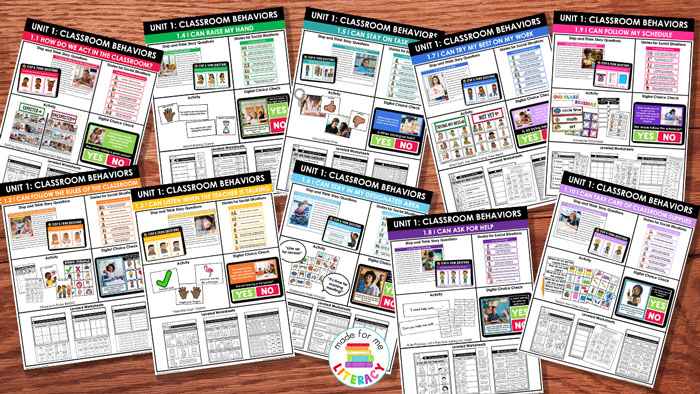
Examples of when to use social narratives include:
– Starting a new routine
– Joining a group activity
– Asking for help
– Managing frustration
– Practicing personal space
– Getting ready for a fire drill
Designed for Diverse Learners
Social narratives are especially effective when they’re written with student strengths and learning profiles in mind. Visuals, predictable sentence patterns, and consistent phrasing all support comprehension and retention.
Unlike typical classroom stories, these interventions aren’t about characters solving problems in a plot, they’re about showing realistic, specific examples of what students are expected to do and how they might feel.
When and How to Use Them
Social narratives work best when they’re used proactively. Introduce the story before the situation occurs (like reading “I Raise My Hand” before morning circle time), and revisit it regularly as part of your classroom routine.
You can also use them reactively, after a challenging moment, to help students reflect and prepare for next time, without placing blame.
Pairing the story with visual supports, role-play, or a group discussion can also increase effectiveness.
A Strategy That Builds Trust
Social narratives are a simple yet powerful tool to support students who benefit from structure, repetition, and clarity. When used intentionally, these story-based interventions can help improve social understanding, increase independence, and build trust between students and teachers.
They’re not just a teaching strategy, they’re a way to communicate with respect, clarity, and consistency.
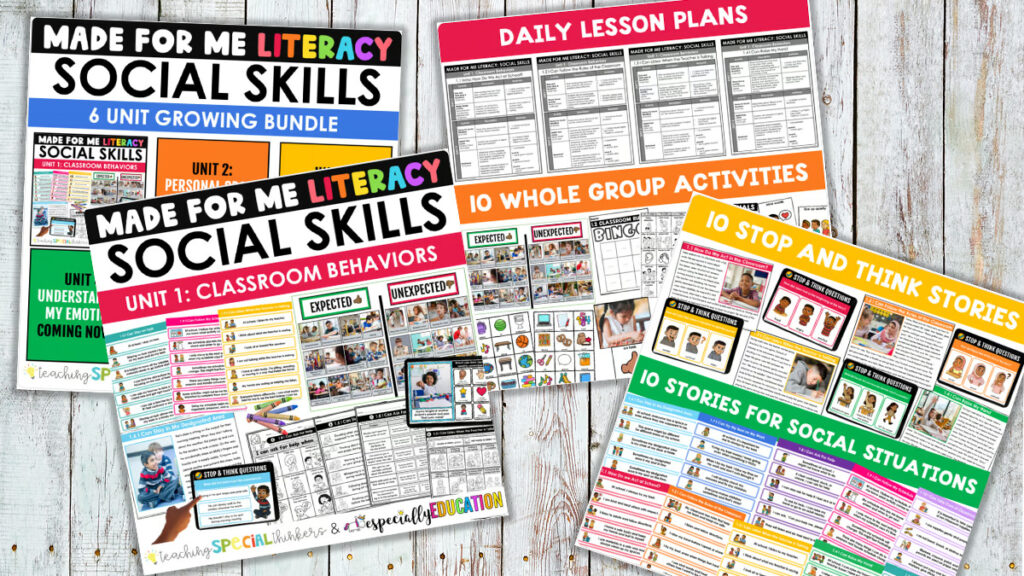
Looking for Social Narratives That Are Ready to Use?
Our Made For Me Literacy Social Skills curriculum includes story-based lessons designed to support real classroom routines and expectations.
Each one is written with clarity, visual support, and respectful language that empowers your students. If you’re ready for print-and-go social narratives that actually work, click here to explore the full social skills bundle.
Other blogs you may be interested in:
Using Social Stories to Model Behavior
Why Predictable Routines are Essential for Special Education

Leave a Reply