
Summer is a time for rest, play, and making memories. But for many children, it can also mean losing some of the skills they worked so hard to build during the school year.
The good news is that preventing summer learning loss does not require hours of worksheets or a strict schedule. With a few simple routines and meaningful activities, you can keep skills fresh while still enjoying a relaxed summer.
These strategies are especially helpful for students who benefit from repetition, visual supports, and predictable routines.
Build a Simple Summer Routine
Maintain a Loose Daily Routine
Children thrive on structure and predictability. Knowing what comes next creates a sense of calm and security.
Summer does not need a strict, minute-by-minute schedule. A simple, consistent rhythm to the day can make a big difference. If you need support creating predictable routines, see Literacy Routines in a Special Education Classroom on Gabrielle’s, Teaching Special Thinkers blog.

Example daily flow:
- Wake up
- Independent play
- Breakfast
- Reading time
- Family outing
- Lunch
- Rest time
- Outdoor play
- Afternoon movie
- Dinner
Keep Literacy Skills Strong
Read Every Day
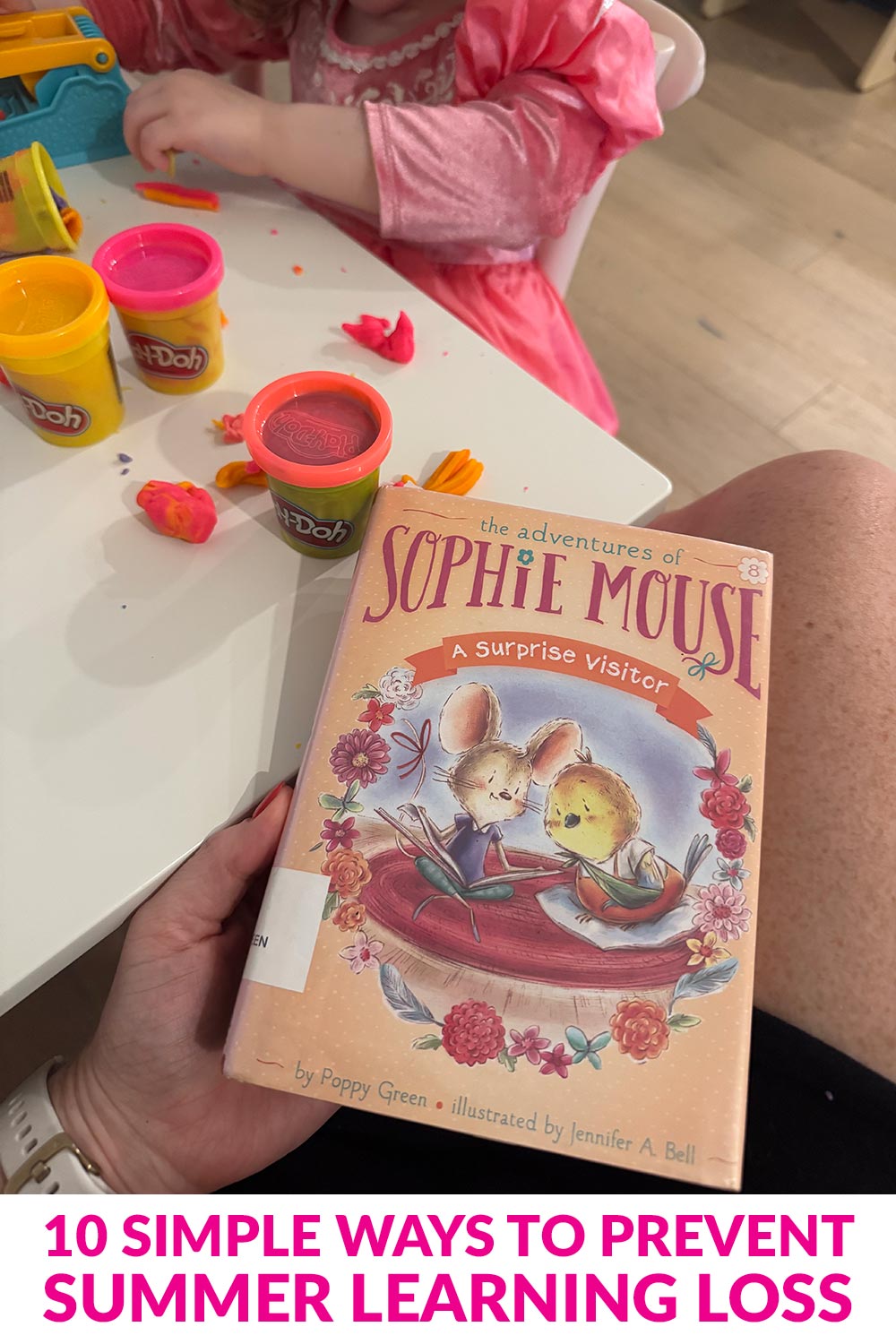
Reading daily is one of the most effective ways to prevent summer regression. Children who are read to regularly are exposed to significantly more vocabulary, which supports long-term reading success.
Make reading part of your everyday routine, even if it is just a few minutes at a time.
Keep Reading Exciting
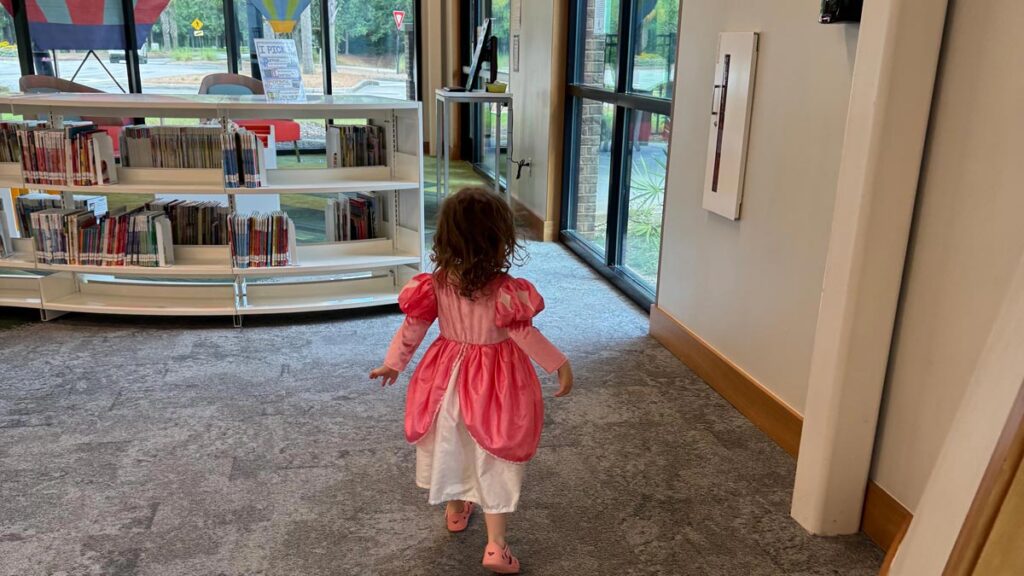
- Visit the library weekly for new books
- Request books online to expand your options
- Check garage sales or thrift stores for inexpensive finds
- Use apps like Libby for ebooks and audiobooks
- Listen to audiobooks in the car or during quiet time
- Set aside 20 minutes of family reading time each day
- Reread favorite books to build confidence and comprehension
- Start a chapter book to read aloud during meals or downtime
Make Learning Part of Everyday Life
Incorporate Learning into Daily Activities
Learning does not need to feel like school. Everyday moments are full of opportunities to build skills.
- Count rocks during a nature walk
- Save and budget allowance for a new toy
- Measure ingredients while cooking
- Read signs, menus, or maps together
- Practice writing with sidewalk chalk
Use Hands-On Learning Activities
Hands-on learning supports critical thinking, problem-solving, and engagement. For more ideas, see Spring Sensory Activities for Hands-On Learning.
- Sorting and categorizing objects
- Puzzles
- Building with blocks or magnetic tiles
- Simple science experiments
- Board games
Support Math and Writing in Simple Ways
Practice Math in Short, Playful Bursts
Math practice can be quick and fun. You can also use structured supports like task boxes. Learn more here: Task Boxes – What They Are and Why We Love Them
- Count diving toys at the pool
- Use shells or rocks to create simple equations
- Hide number cards for a scavenger hunt
- Play math-based board games
Encourage Meaningful Writing
Writing becomes more engaging when it has a purpose.
- Use letter stickers for spelling and sound practice
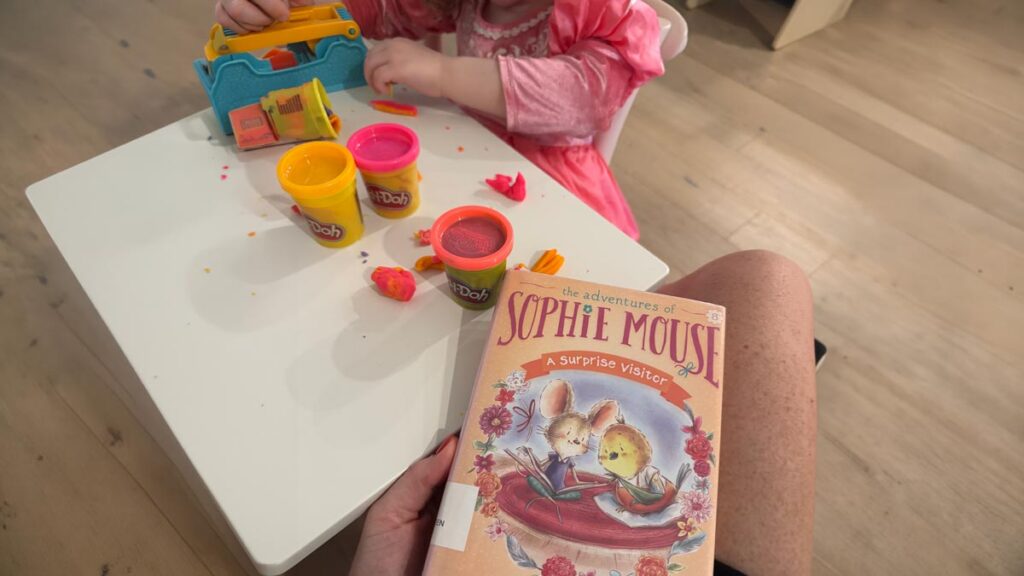
- Stamp letters into playdough
- Keep a simple summer journal with drawings and stories
- Write letters or postcards to family members
- Create grocery lists or daily to-do lists together
Use Community and Real-World Experiences
Take Advantage of Community Resources
Many communities offer free or low-cost learning opportunities during the summer.
- Library reading programs
- Museum days
- Nature centers
- Camps or workshops
Build Independence and Life Skills
Focus on Everyday Life Skills
Summer is a great time to build independence and confidence. To support self-reliance, see Instilling Independence in the Classroom.
- Cooking simple recipes
- Cleaning up toys or organizing a bedroom
- Following a checklist or visual schedule
- Practicing social skills
- Grocery shopping with a simple list

Keep It Fun and Low-Pressure
Make Learning Feel Like Play
The most important way to prevent summer learning loss is to keep things enjoyable.
When learning feels like play through games, exploration, and curiosity, children stay engaged naturally.
A Simple Way to Keep It All Going
If you are trying to balance a relaxed summer with maintaining important skills, having structured, ready-to-use activities can make a big difference. Explore: Made For Me Literacy Summer and ESY Units.
With predictable routines, hands-on activities, adapted books, and independent centers, students can continue practicing key skills without it feeling like school.
Everything is designed to be engaging, repetitive, and supportive, which is especially important for learners who benefit from consistency.
Final Thoughts
Preventing summer regression does not require perfection or long hours of instruction. Small, consistent moments of learning throughout the day are what make the biggest impact.
By keeping routines simple, incorporating learning into everyday life, and focusing on meaningful, engaging activities, you can help children hold onto the skills they have built and return to school feeling confident and ready.
Leave a Reply