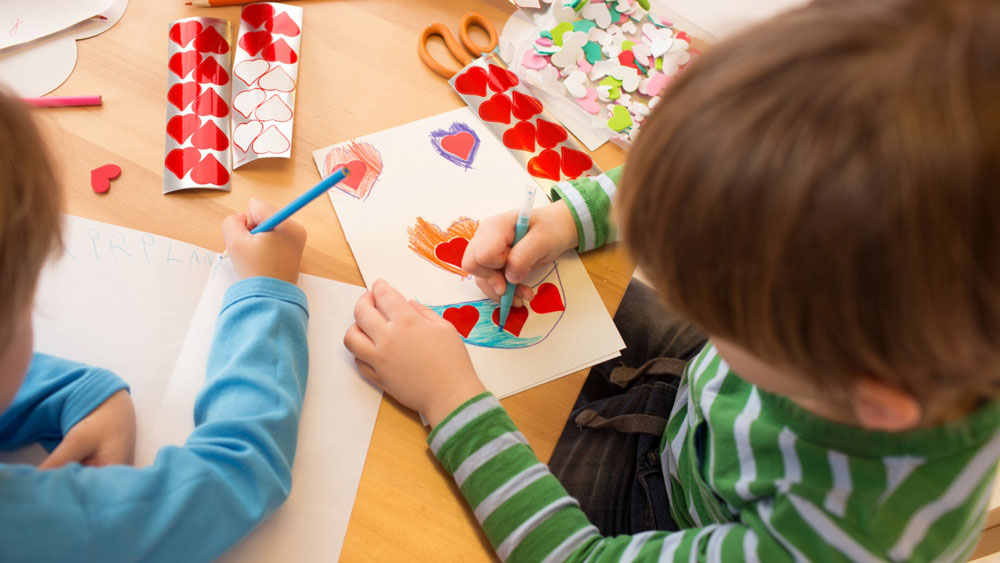
Valentine’s Day can feel like a balancing act in special education classrooms. You want to acknowledge the holiday without disrupting routines, overwhelming students, or losing valuable instructional time.
The good news is that Valentine’s Day themes lend themselves naturally to hands-on learning, visual supports, and structured practice. With intentional planning, hearts and kindness can support literacy, independence, and engagement across the school day.
Why Valentine’s Day Themes Work for Special Education
Seasonal themes work best when they are familiar, visual, and predictable. Valentine’s Day offers simple symbols, repeated language, and concrete concepts that many students already recognize.
Hearts, colors, and kindness phrases provide consistent visual anchors. This helps students focus on participating rather than decoding new content.
Structured Literacy Through Hands-On Task Boxes
Valentine’s Day is an ideal time to reinforce literacy and math skills using structured, repeatable tasks. Task boxes allow students to practice independently while maintaining clear expectations.
The February Task Boxes include differentiated concepts such as counting, patterns, phonics, and sight words. Students engage with familiar skills while enjoying seasonal visuals that feel special but not distracting.

Confidence-Building Tasks
For students who benefit from guaranteed success, the Especially Education February Errorless Learning Task Boxes provide structured tasks with no wrong answers.
These activities reduce frustration and support confidence, especially during independent work time.
Sensory Play That Supports Regulation and Engagement
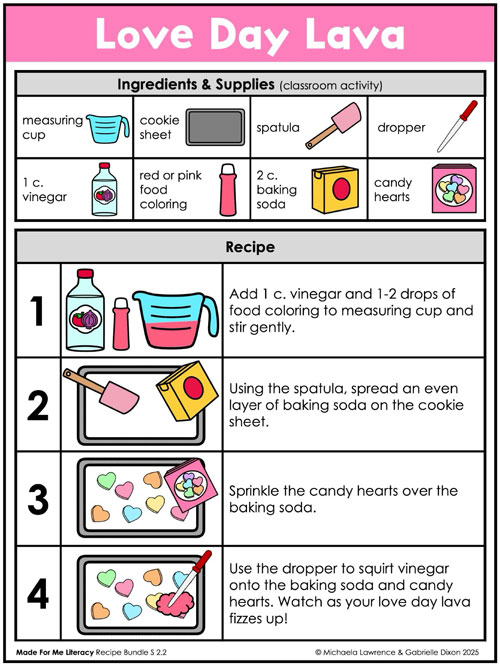
Valentine’s Day sensory activities can be powerful tools when they are clearly structured. Predictable steps and visuals help students engage without becoming overstimulated.
The February Sensory Recipes include four Valentine-themed sensory activities with step-by-step visual directions. Students practice following sequences while exploring textures and materials in a calm, supported way.
Valentine’s Day sensory activities can be powerful tools when they are clearly structured. Predictable steps and visuals help students engage without becoming overstimulated.
The February Sensory Recipes include four Valentine-themed sensory activities with step-by-step visual directions. Students practice following sequences while exploring textures and materials in a calm, supported way.
Real-World Skills With Edible Visual Recipes
Cooking-style activities provide meaningful learning opportunities for early learners. When supported with visuals, they help students practice sequencing, fine motor skills, and functional classroom routines.
The February Edible Recipes include Valentine-themed food activities with picture-supported directions and reflection pages. Students follow clear steps while engaging in a motivating, real-world task.
Kindness Routines That Feel Concrete and Accessible
Valentine’s Day is a natural time to focus on kindness, but abstract ideas can be challenging for some students. Concrete visuals and repeated routines make kindness easier to understand.
Pair kindness language with hands-on activities such as task boxes or sensory work. Students experience kindness through structure rather than discussion alone.
Visual Supports That Keep the Day Predictable
Holiday-themed days work best when core routines stay the same. Visual schedules help students understand when special activities happen and when expectations remain unchanged.
Clear task visuals reduce the need for repeated adult prompting and support independence throughout the day.
Bringing It All Together With Purpose
Valentine’s Day does not need to interrupt learning to feel meaningful. With structured materials, clear visuals, and hands-on tasks, students can engage fully while continuing to build essential skills.
Your Next Step for a Calm and Engaging Valentine’s Day
If you are looking for Valentine’s Day activities that are already structured, differentiated, and classroom-tested, these February resources can save planning time while supporting student success.
Read this blog to discover more friendship and kindness activities.
Leave a Reply