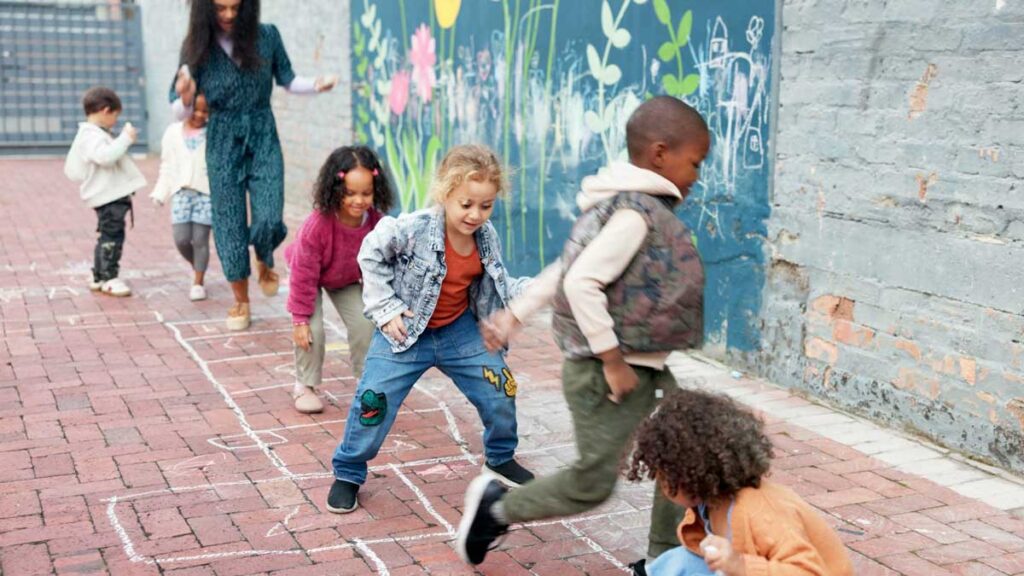
Social skills are more than just “being friendly.” They’re the foundation for how students connect, participate, and succeed in the classroom, and in life. For students in special education, building social-emotional skills takes intentional support and consistent practice.
When these skills are taught clearly and respectfully, students gain confidence, independence, and the tools to be active members of their learning community.
What Are Social Skills, Really?
At their core, social skills help students navigate the world around them. They include everything from waiting your turn and asking for help, to understanding personal space, managing big feelings, and communicating needs effectively.
Many students need extra support to learn these behaviors, especially when traditional teaching methods aren’t enough. That’s where structured social-emotional learning (SEL) makes all the difference.
The Impact on Classroom Participation
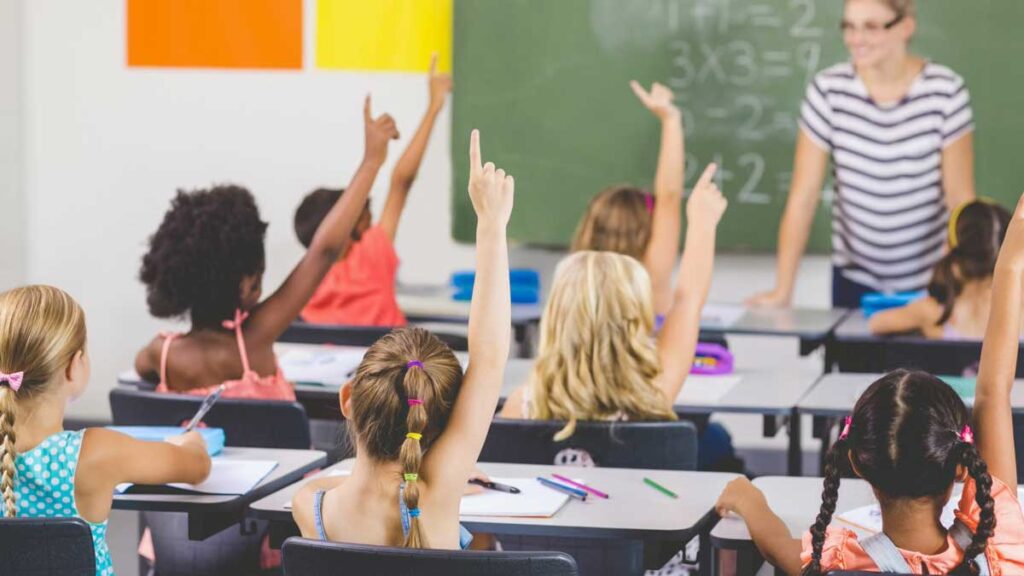
When students understand what’s expected, and feel supported in meeting those expectations, they’re more likely to participate, engage, and enjoy school.
Explicitly teaching classroom behaviors like raising hands, following routines, and sharing materials helps remove barriers to learning. It also creates a calmer, more consistent classroom for everyone.
Building Independence and Confidence
Social skill instruction isn’t just about peer interactions. It’s about helping students advocate for themselves, express their needs, and develop emotional awareness. These are essential tools for navigating group settings, transitioning between activities, and accessing support without adult prompting.
And when students feel capable, they’re more likely to try, to persist, and to grow.
Why We Teach These Skills Explicitly
For some learners, social expectations aren’t picked up automatically. They need direct instruction, visuals, repetition, and story-based models of what expected behaviors look like. That’s not a sign of weakness, it’s an opportunity.
By teaching social skills clearly, we give students the chance to succeed on their own terms.
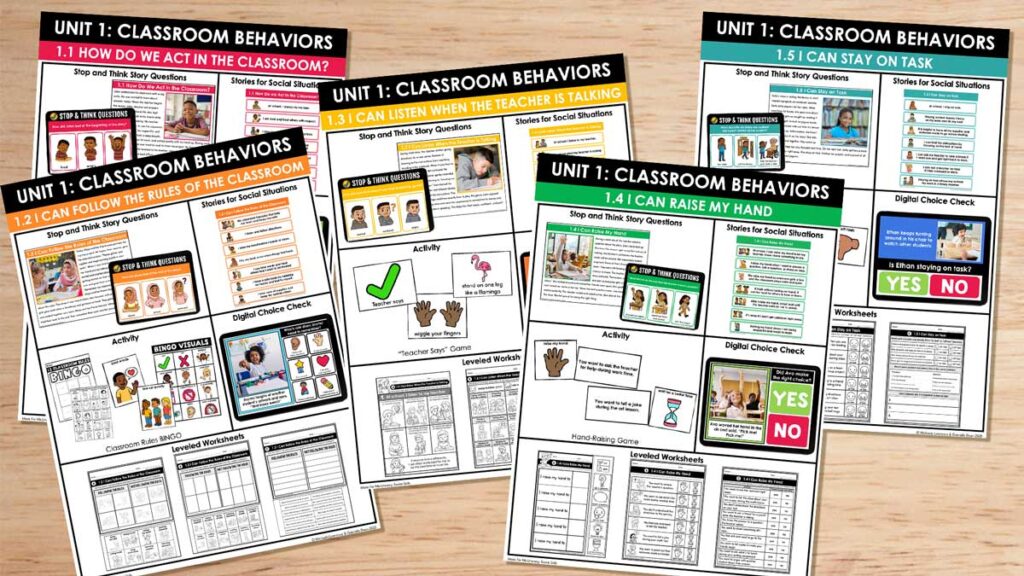
What Makes a Good Social Skills Curriculum?
In a special education setting, social skills instruction needs to be:
– Visual and concrete
– Predictable and routine-based
– Respectful and inclusive
– Flexible enough to meet individual goals
– Designed with input from experienced educators
It’s not about changing who a student is. It’s about helping them access their environment and express themselves more fully.
Social Skills Are Academic Skills
We often think of reading, writing, and math as the “core” of education. But for many students in special education, social-emotional learning is the key that unlocks all the rest.
When we prioritize social skills in our teaching, we’re not just improving behavior, we’re opening the door to deeper learning, stronger relationships, and greater independence.
Want Support Teaching Social Skills?
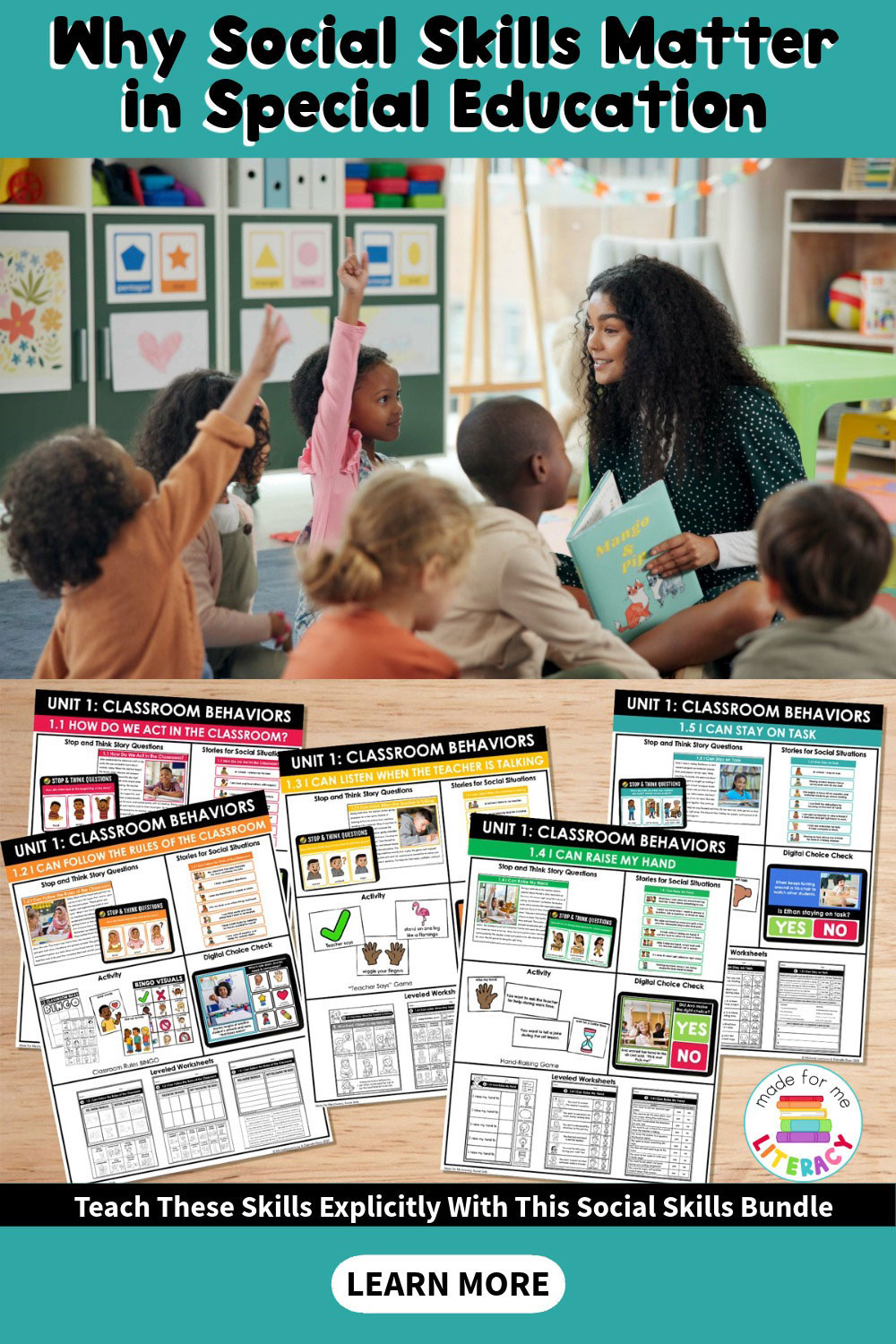
If you’re looking for a ready-to-go resource that’s respectful, differentiated, and rooted in real classroom experience, we’d love for you to check out our Made For Me Social Skills curriculum.
Leave a Reply