Why Summer & ESY Curriculum Matters
With so many end-of-the-year activities, summer starts feeling like a break, but for many students in special education, it can also mean lost progress. As the school year winds down, planning ahead for summer learning in special education classrooms can make a big difference and help prevent summer regression in special education students.
Without consistent practice, skills in reading, math, and communication can quickly fade. That’s why Extended School Year (ESY) services, guided by Individualized Education Program (IEP) teams, are so important. They help students maintain what they’ve learned so they can return to school ready to build on those skills.
The goal isn’t to push new learning at full speed. It’s to keep skills active in a way that feels manageable and engaging.
What Summer Learning Should Actually Look Like
The most effective ESY classrooms don’t feel chaotic or overly academic. They feel structured, predictable, and hands-on.
Students still need:
- Clear routines
- Familiar activity formats
- Repetition with variation
Changes in routine during summer programs can sometimes lead to increased uncertainty for students. But they also need learning that feels interactive and motivating. That’s where the right tools and activities come in.
Using tools like social narratives can help reinforce expectations, support transitions, and provide clear, consistent language across the day.

What This Looks Like in Real ESY Units
Instead of generic activities, these units use specific, repeatable tools that build independence while targeting core skills. These Made For Me Literacy ESY units are teacher tester favorites:
June or ESY All About Bugs Made For Me Literacy
This summer and ESY special education unit focuses on hands-on exploration while reinforcing structured learning and helping to prevent summer regression in special education.
As you move from end-of-year routines into summer programming, having engaging, repeatable activities makes a big difference. For a closer look at how this theme supports a wide range of learners, check out, A Bug-Themed Unit That Works for Every Learner. This downloadable curriculum with a built-in step-by-step plan makes it easy to maintain skills through meaningful, hands-on activities.
Ready-to-use weekly themed curriculum plans.
Lessons for students include:
- Sort and match in a Bug Vocabulary Task Box, building language through repetition
- Complete a Same & Different task box, strengthening visual discrimination
- Practice early literacy with a CVC Words file folder, using familiar formats
- Participate in a “Cute or Creepy?” class graph, giving simple opinions and counting responses
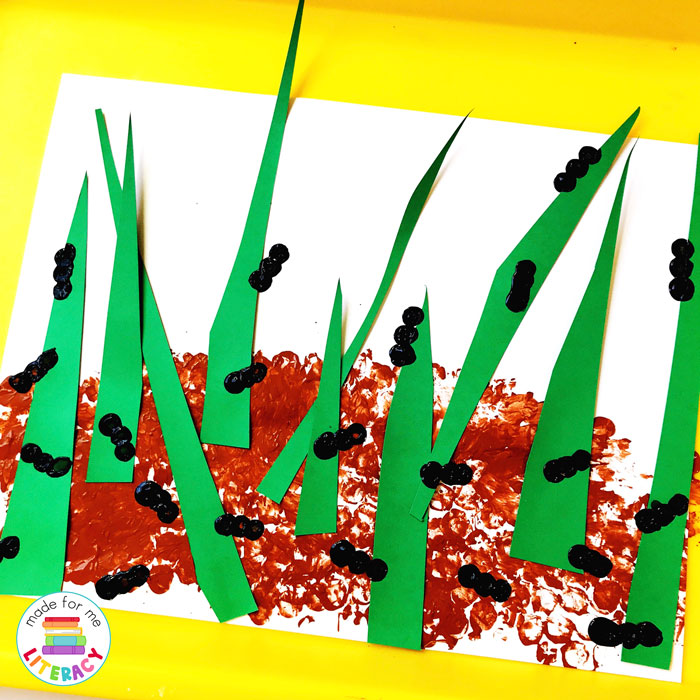
- Build fine motor skills during a Bug Hunt sensory bin, picking up and sorting small items
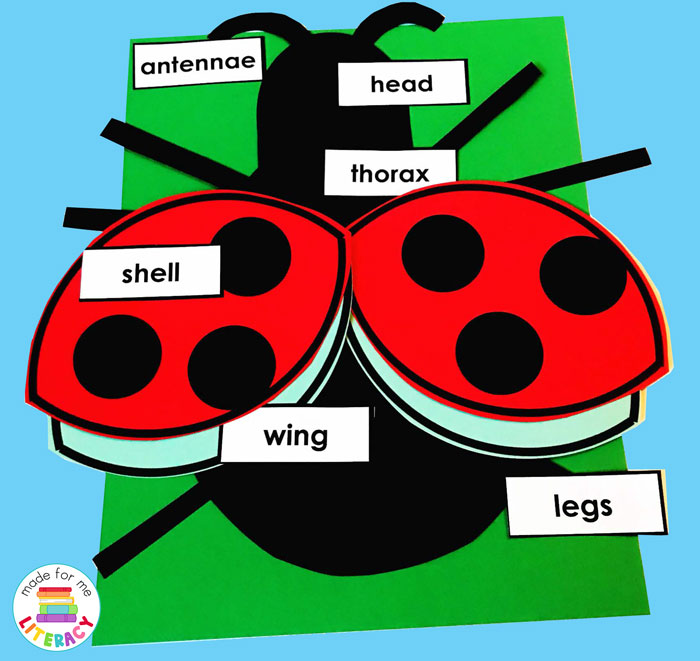
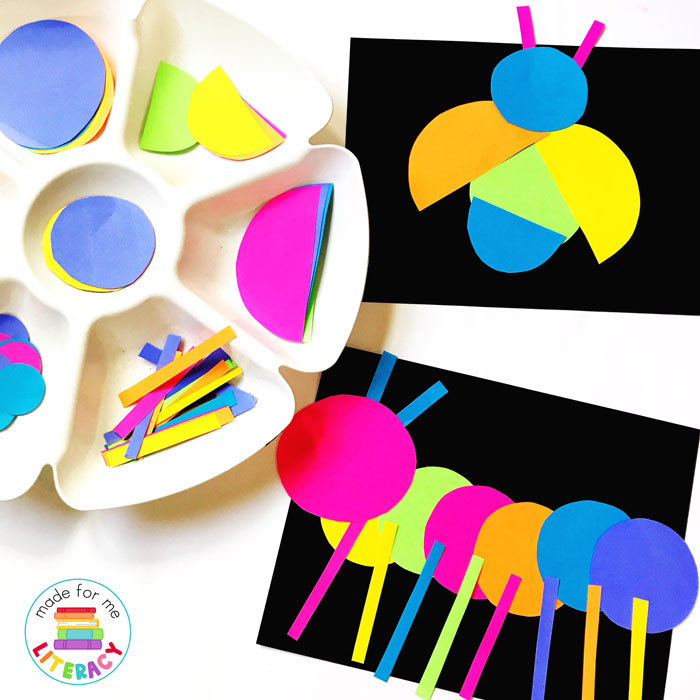
There’s also a Build-a-Bug craft station, where students follow steps to create their own bug, reinforcing sequencing and independence.
July or ESY Sharks and Ocean Friends Made For Me Literacy
This marine life ESY literacy unit for special education blends nonfiction learning with highly structured visual supports to keep students engaged while maintaining essential skills. Summer routines can feel less predictable, which is why familiar formats and high-interest themes matter.
If you want to extend engagement beyond a single week, Keep Shark Week Going All Month with Sharks & Friends shows how to build consistency across your schedule. This unit provides structured, hands-on learning activities that support comprehension, vocabulary, and independence.

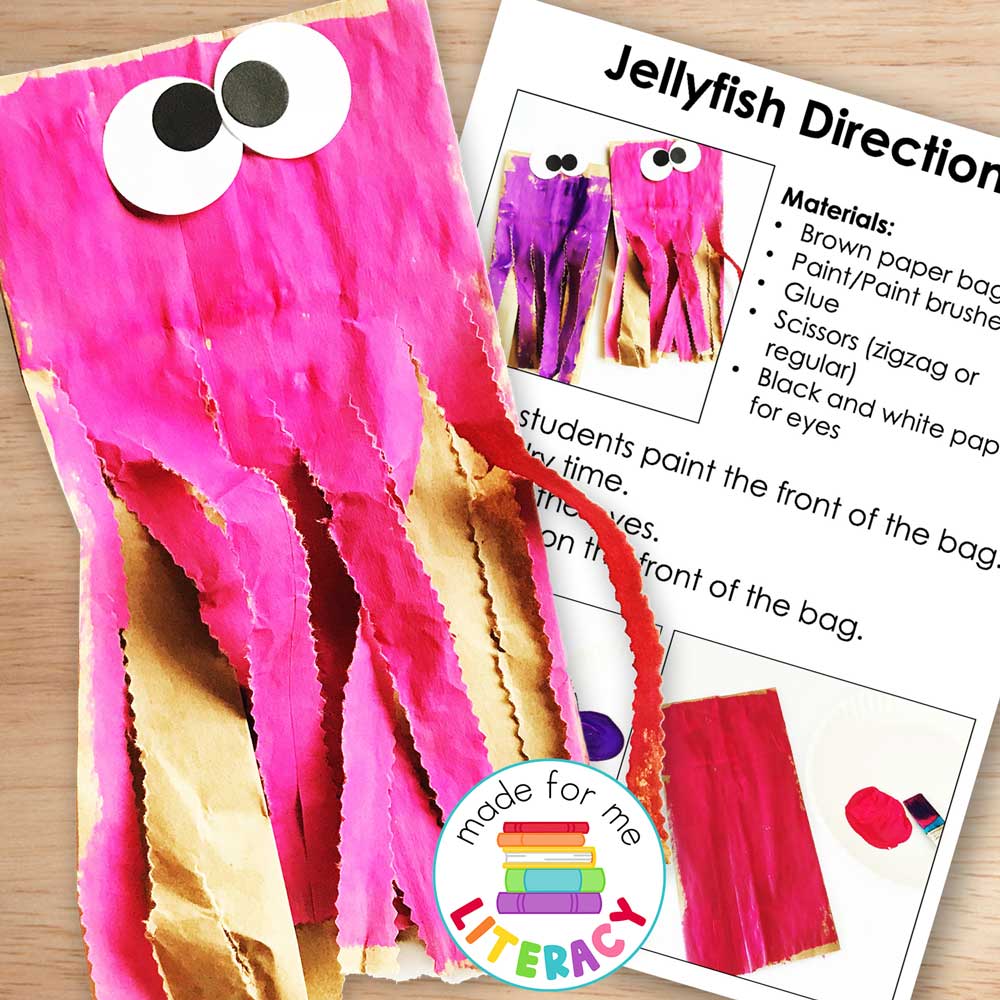
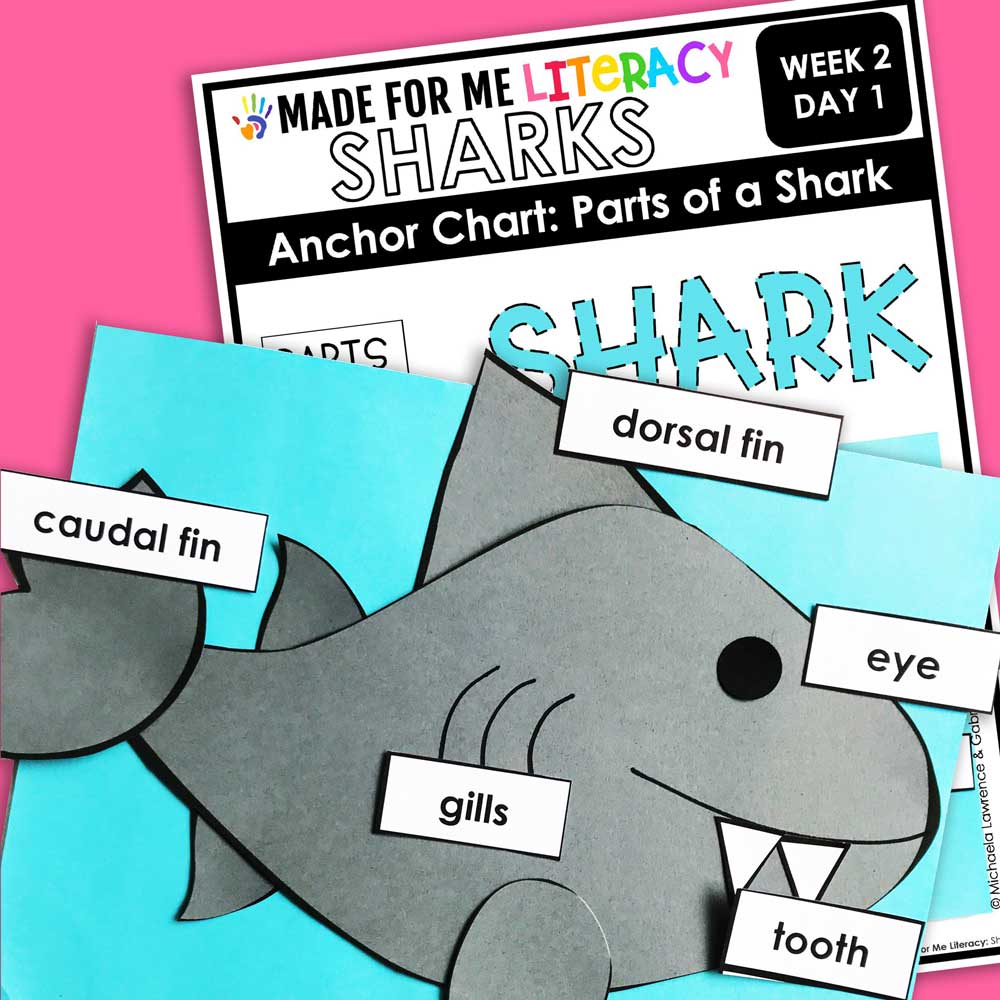
Just download, print, and follow along with the curriculum map.
Students engage with:
- Anchor charts like “Sharks Can / Have / Are” to build vocabulary and categorize information
- A Shark Flipbook, where students assemble and review key facts
- A class graph like “Are You Afraid of Sharks?” to encourage participation and simple data analysis
- A predictable chart (“In the Ocean, I see…”) to support sentence building
Hands-on activities include:
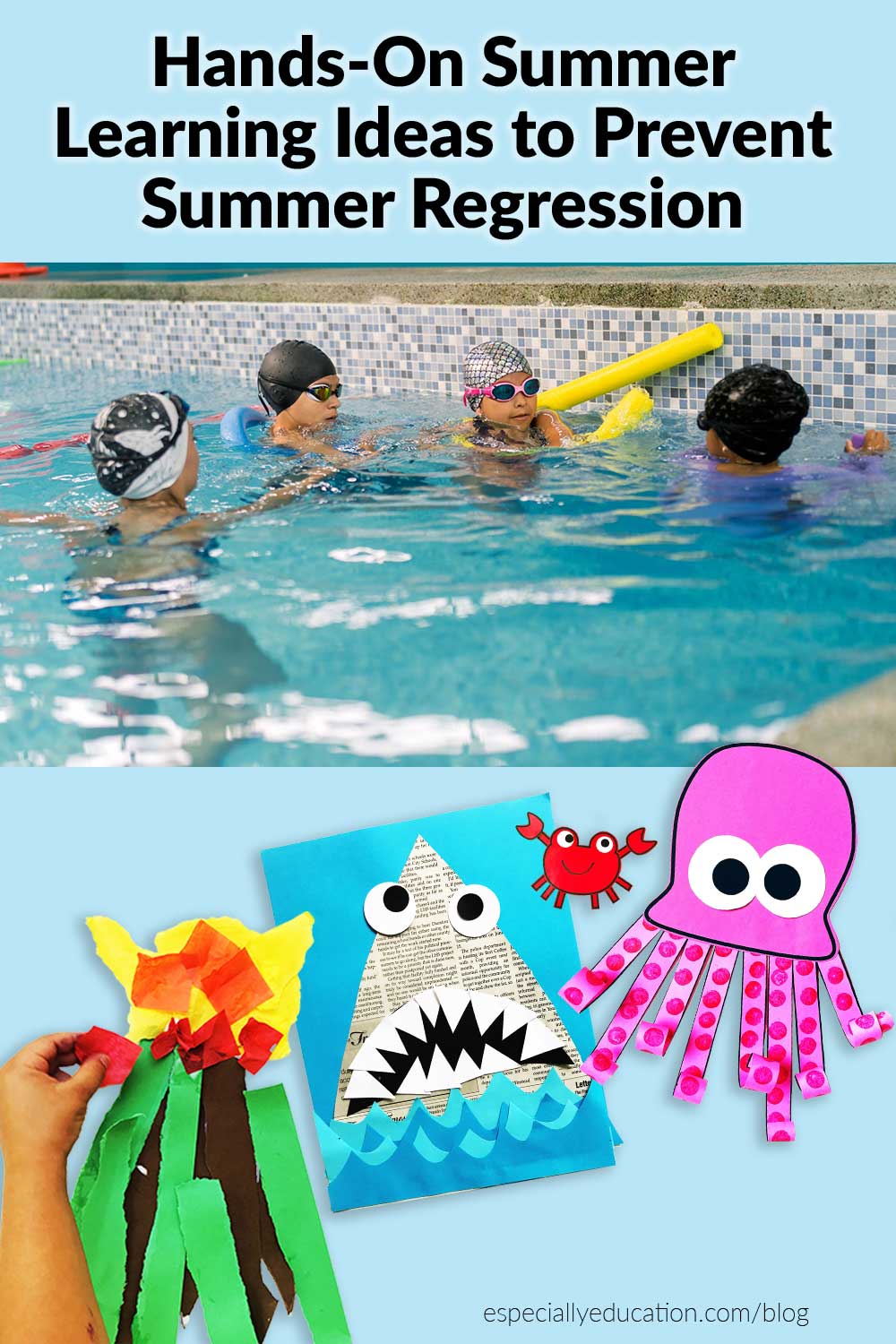
- Shark crafts that follow clear visual steps
- Visual recipes like “Shark in a Bottle,” where students practice sequencing and following directions
- Ocean-themed task boxes for skills like counting, shapes, and sight words
Everything ties back to repetition and familiarity, which is key for ESY success.
August or ESY All About Dinosaurs Made For Me Literacy
This high-interest summer learning unit for special education uses a dinosaur theme to drive engagement while reinforcing core literacy and early math skills. As students transition into ESY or late-summer learning, having a clear, organized plan helps reduce overwhelm and maintain progress.
You can see a full breakdown of how this unit works here: In a Nutshell: All About Dinosaurs. This structured, differentiated curriculum with a built-in curriculum map supports students through familiar routines while building confidence and independence.
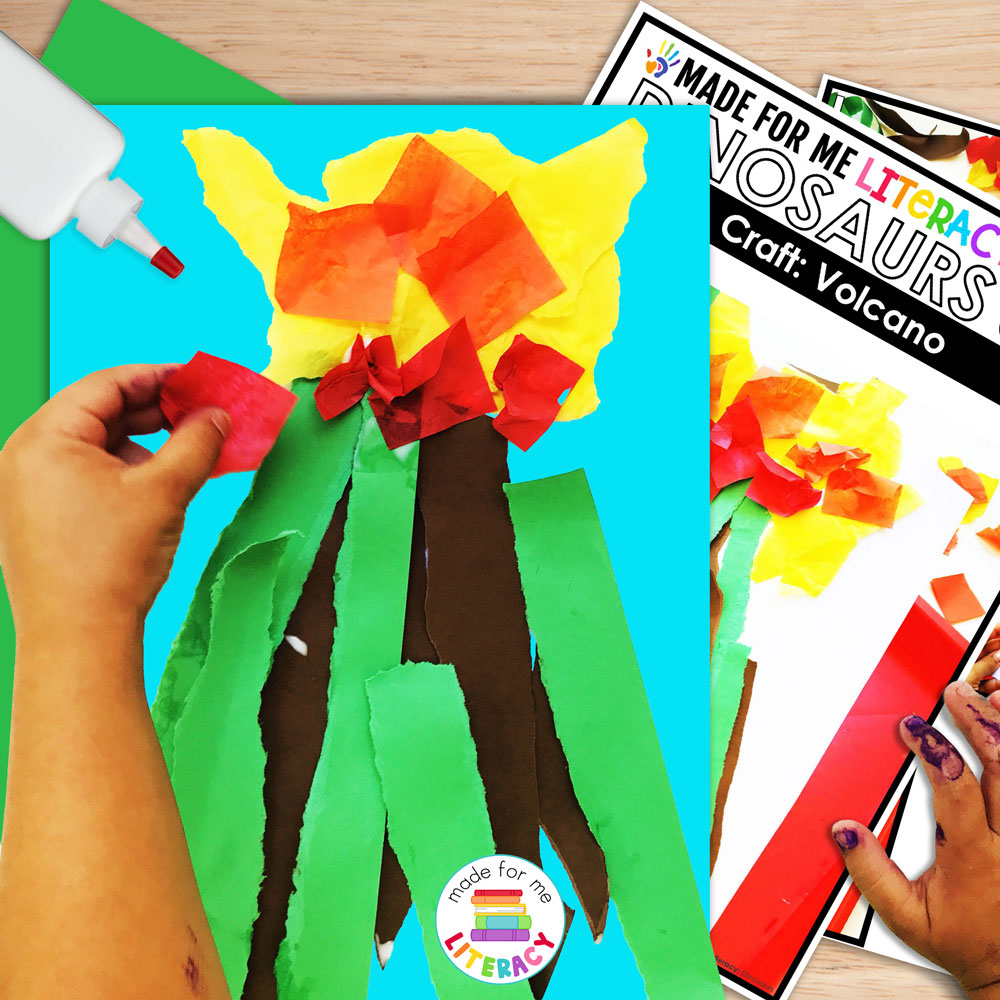
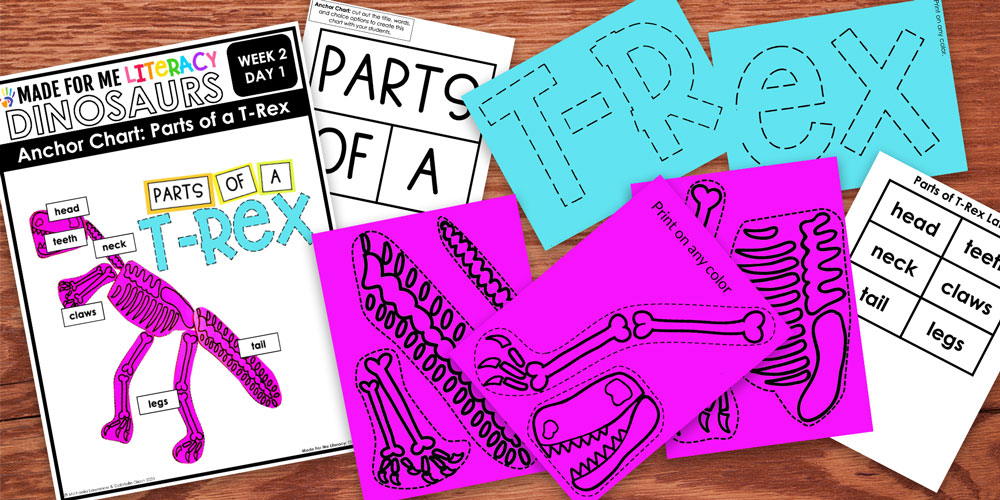
Everything is planned for you!
Students might:
- Match and sort in dinosaur vocabulary task boxes
- Practice number concepts using counting and comparing activities
- Build early reading skills with simple sentence or word matching tasks
- Participate in structured crafts, like assembling a dinosaur with labeled parts
That consistency is what allows students to work more independently over time.
Why These Tools Work So Well for ESY
Across all three units, the same types of tools show up again and again. That’s intentional.
Students benefit from:
- Task boxes that clearly show what to do and when they’re finished
- File folders that allow repeated practice without confusion
- Visual supports that reduce language demands
- Hands-on activities that keep engagement high
Instead of constantly introducing new formats, these units reuse familiar structures with new content.
That’s what builds independence.

The Real Goal of Summer Learning
ESY isn’t about doing more. It’s about doing what works, consistently.
When students have access to:
- Predictable routines
- Structured tools
- Engaging, hands-on activities
They’re much more likely to maintain their skills over the summer. And when they jump back-to-school, you’re not starting from scratch.
Summer learning doesn’t need to feel overwhelming.
With the right combination of structure and hands-on tools, you can create an ESY environment that supports independence, reinforces skills, and keeps students engaged.
These units make it easier to provide that consistency without having to build everything from the ground up.
Leave a Reply