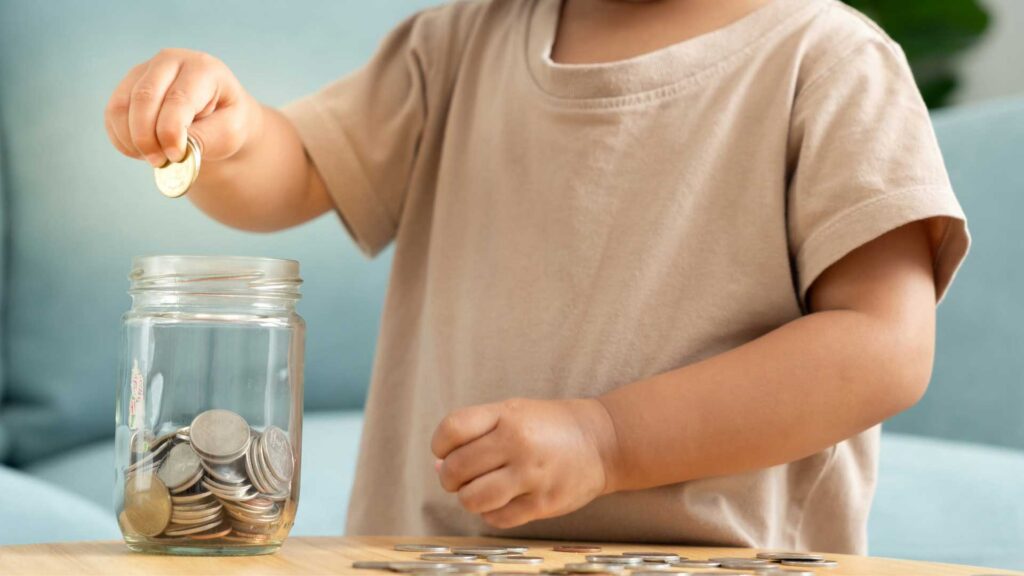
At almost four years old, my daughter P (our nickname for her) is fascinated by coins.
Filling (and dumping 🫠) her piggy bank is one of her favorite pastimes. She stores spare quarters in her coin purse in hopes of scoring a new stuffy in Walmart’s claw machine. (Which she did do once, by the way. On her second try!) While she doesn’t fully understand what they’re worth yet, she’s already starting to notice that money is important.
Recently, my sister Hannah stopped to get ice cream with her and discovered just how hard P is thinking about money. They found a buy-one-get-one-free deal on pints of ice cream.
P proudly set both cartons on the conveyor belt. She looked at the cashier, pointed to the first pint and said, “I want this one for free.” Then she pointed to the second pint and said, “I’ll buy this one.”
To an adult, that’s not exactly how the promotion worked. But from P’s perspective, she had figured out the system.
Moments like these are why teaching money concepts can be so much fun. Children are constantly observing, questioning, and building their understanding of how the world works.
Why Money Is About More Than Money
Money lessons aren’t just about memorizing coin values. They’re about helping children understand choices, value, planning, and participation in everyday life.
And yes, while learning to count bills and coins is important, teaching money concepts is a great way to bolster so many additional skills, such as:
- Communication
- Decision making
- Problem solving
- Planning
- Self-advocacy
- Independence
What Children Need to Understand Before Coin Values
Before children memorize pennies, nickels, dimes, and quarters, they benefit from understanding:
- Money is used to buy things.
- Different items cost different amounts.
- Do I have enough money for this purchase?
- People earn money through work.
- Money can be saved.
- We make choices about spending.
Start With Real-Life Experiences
Model and narrate purchases at the grocery store or restaurants. Practice budgeting and saving with a weekly allowance. Set up pretend play storefronts and take turns being the cashier and customer.

The Cashless World Challenge
Many children rarely see cash being exchanged. They see cards, phones, and online purchases. Helping children handle real coins and bills can make money concepts more concrete and easier to understand.
Fun Ways to Teach Money Through Play
- Pretend stores
- Restaurant play
- Price tag games
- Coin sorting activities
- Functional math centers
Why Money Concepts Can Be Tricky for Some Learners
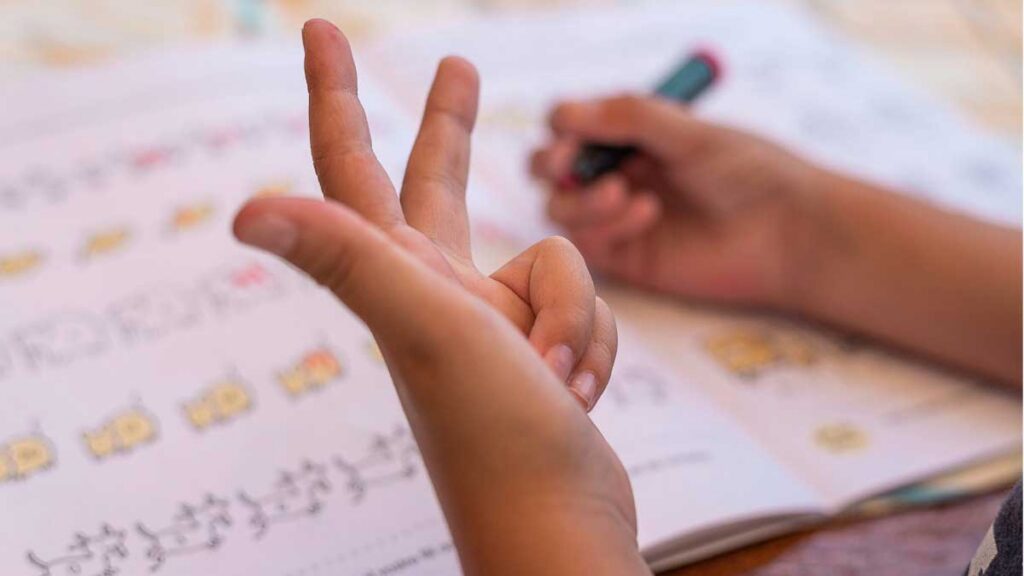
There are many foundational skills that must be taught prior to learning money, including skip counting and adding on. Then comes the memorization of coin identification and knowing each coin’s value.
Money concepts can seem abstract. A dime is worth more than a penny even though it is smaller. Many children think the larger coin should be worth more. Practice and repetition (yes, even through play!) help build money confidence in children
Why Structured Practice Matters
Many learners benefit from repeated opportunities to explore money concepts through visual supports, role play, centers, classroom stores, and hands-on activities.
The Small Moments That Matter
Success may look like:
- Asking questions
- Sorting coins
- Pretending to buy something
- Recognizing a coin
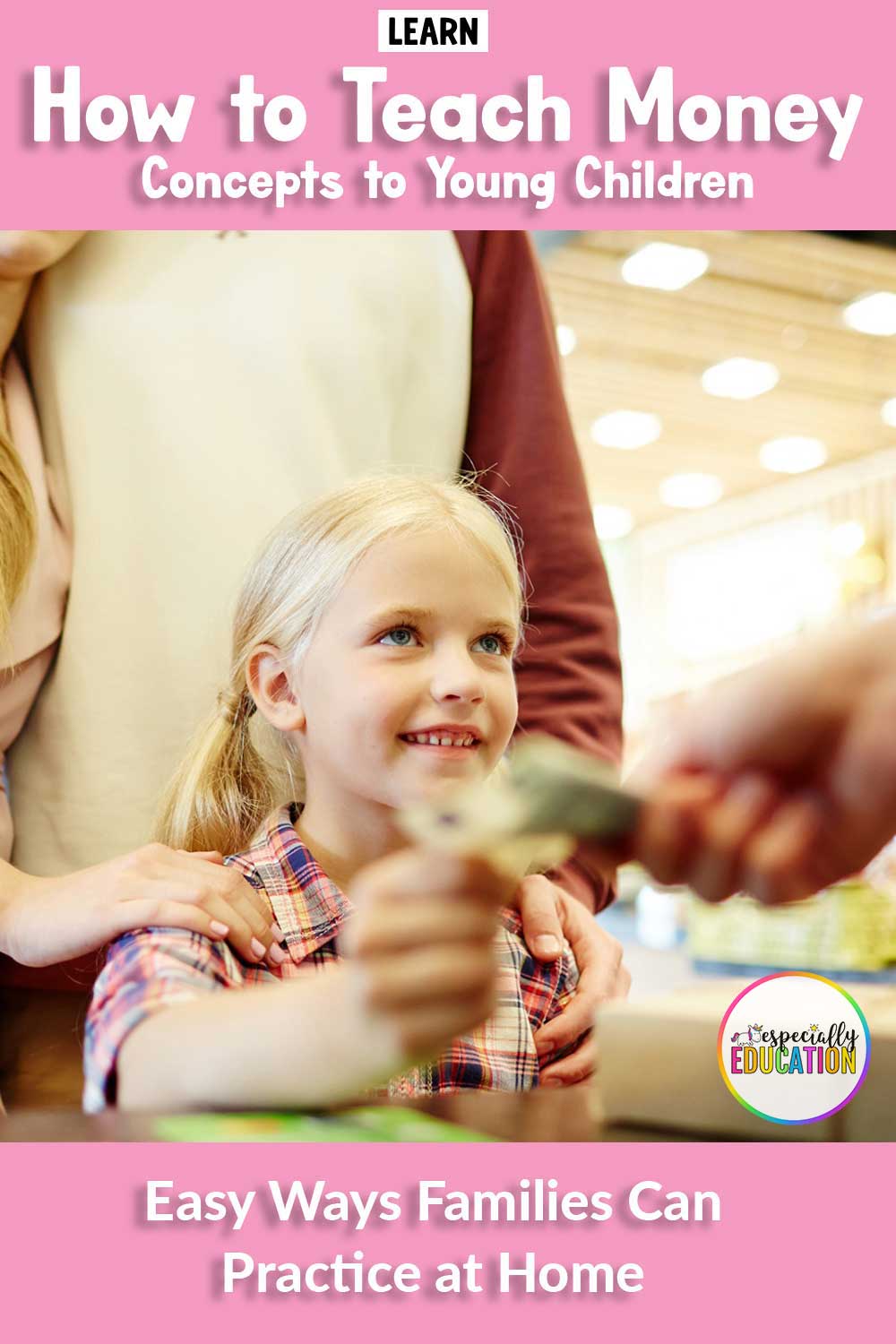
- Handing money to a cashier

Easy Ways Families Can Practice at Home
- Count change together
- Compare prices
- Save for a special purchase
- Use pretend or real money during play
- Talk about spending and saving
More Money Conversations Are Coming
This article is the first in our Money Matters series.
Upcoming topics include:
- What Children Need to Understand Before Learning Coin Values
- Why Money Can Be So Confusing for Young Learners
- Fun Ways to Teach Money Through Play
- Teaching Saving, Spending, and Making Choices
- Functional Money Skills for Special Education

Helping Children Participate in Their World
Yesterday, P thought she had figured out the buy-one-get-one-free deal. The details weren’t quite right, but the thinking behind it was.
When we give children opportunities to explore money through play, conversation, hands-on experiences, and meaningful practice, we’re helping them build much more than math skills.
We’re helping them understand choices, solve problems, and participate more fully in the world around them.
Leave a Reply