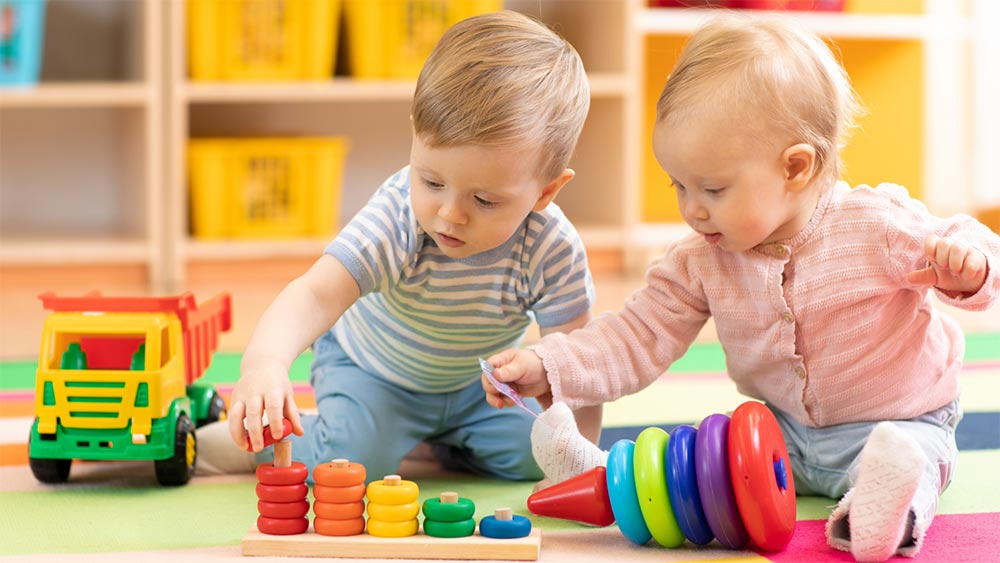
If you’ve ever watched a young child play, you’ve probably seen them sort without even realizing it.
They’ll group toy animals together, line up cars by color, or carefully separate buttons into little piles.
To Adults, Sorting May Look Like Simple Play
To children, it’s how they begin making sense of the world.
Sorting is one of the most important early learning skills because it helps children notice similarities, differences, and patterns. Those skills become the foundation for learning in every subject, from reading and math to science and everyday problem-solving.
Why Children Love Sorting
Young children are naturally curious.
They want to know why birds can fly but fish can swim. They notice that some leaves are smooth while others have jagged edges. They discover that some objects are soft, some are hard, and some are round while others have corners.
Sorting Gives Children an Opportunity To Explore
Instead of simply being told information, they’re actively comparing, observing, and making decisions. Every time they decide what belongs together, they’re strengthening their understanding of the world around them.
That’s one of the reasons sorting feels like play while quietly supporting so much learning.

Skills Children Build Through Sorting
Sorting activities strengthen much more than organization.
As children sort, they also practice:
- Comparing and contrasting
- Identifying attributes
- Building vocabulary
- Recognizing patterns
- Early math concepts
- Problem-solving
- Critical thinking
- Fine motor skills
- Visual discrimination
- Executive functioning
One simple activity can support many different developmental skills at the same time, making sorting an excellent choice for both classroom learning and play at home.
There’s More Than One Right Answer
One of my favorite things about sorting activities is listening to children explain their thinking.
Give a group of children a collection of objects, and you may see several different ways to sort them.
One child may group objects by color. Another may choose size. Someone else may decide to sort by how the objects are used.
Conversations often become the best part of an activity
Instead of focusing only on whether children found the ‘correct’ answer, we get to hear how they’re thinking. Their explanations give us valuable insight into the connections they’re making and the concepts they’re beginning to understand.
Sorting Happens Every Day
Sorting isn’t just a classroom skill.
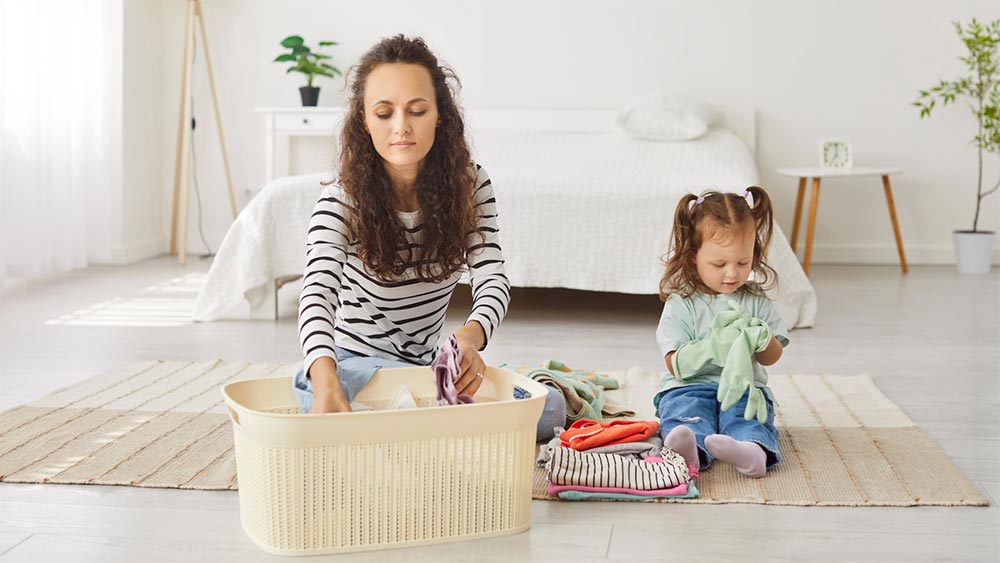
Children sort socks while helping with laundry. They separate forks from spoons while unloading the dishwasher. They organize toy bins after playtime. They help put groceries into the refrigerator and pantry.
These everyday moments reinforce the same thinking skills they practice during classroom sorting activities.
When children have opportunities to sort throughout the day, they’re strengthening skills they’ll use for the rest of their lives.
Making Sorting Meaningful
The best sorting activities don’t have to be complicated.
Children can sort classroom manipulatives, toy animals, buttons, blocks, leaves collected outside, household objects, or even snacks.
Changing the materials keeps the activity interesting while giving children repeated opportunities to compare, classify, and think critically.
As children become more confident, you can encourage them to explain their thinking, create their own categories, or find multiple ways to sort the same collection of objects.
Those simple conversations often lead to the richest learning.

Making Sorting Easier to Teach
When I was teaching, I loved using sorting activities because they supported so many different skills.
What I didn’t love was constantly creating new activities or searching for materials that only worked once.
I wanted something flexible. Something that could be used with the manipulatives and materials teachers already have in their classrooms.
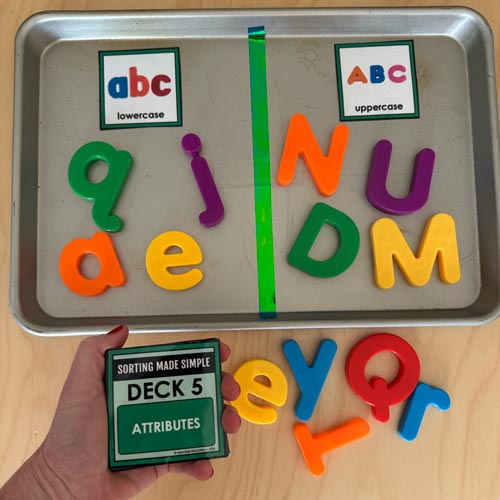
That’s why I created Sorting Made Simple.
Instead of giving you one more activity to prep, it provides a simple framework you can use again and again with the materials you already own.
Whether you’re using toy animals, seasonal objects, classroom supplies, or items collected on a nature walk, the focus stays where it belongs: helping children build important thinking skills through meaningful, hands-on learning.

A Skill That Lasts a Lifetime
Sorting may seem like a simple activity, but the skills children develop reach far beyond the classroom.
Every comparison they make helps them notice patterns. Every category they create helps them organize information. Every conversation they have helps them build language and confidence.
Those small moments of discovery become the foundation for future learning.
That’s why sorting continues to be one of the most valuable activities we can offer young children.
Sometimes the simplest activities have the greatest impact. Sorting Made Simple accomplishes that.

Leave a Reply